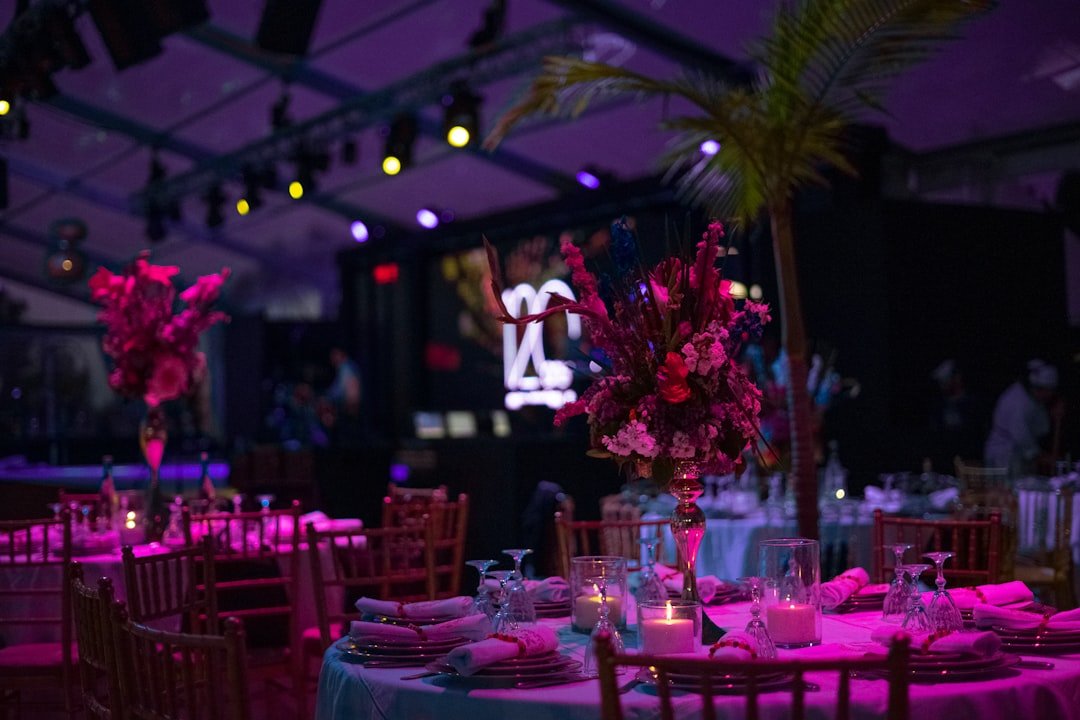
In the dynamic world of event creation, the terms "wedding planner" and "luxury event management company" are often used interchangeably. This oversight can lead to mismatched expectations and dilute the strategic potential of an event. While both aim to deliver memorable experiences, their core philosophies, operational scales, and ultimate objectives are fundamentally distinct. For marketing managers and business owners, recognizing these differences is crucial for selecting the right partner to achieve specific, high-impact outcomes.
Beyond the "Big Day": Scope, Strategy, and Scale
A wedding planner typically specializes in one specific type of event: the wedding. Their expertise lies in navigating the highly personal and emotional landscape of a couple's journey, focusing on details like décor, vendor coordination for the ceremony and reception, and ensuring a seamless experience for the bridal party and guests. Their success is often measured by the couple's happiness and the emotional resonance of the day. It's a deeply personal service, focused on fulfilling a dream for a singular, significant life event.
Conversely, a luxury event management company operates with a far broader and more strategic mandate. While they can indeed execute an unparalleled luxury wedding, their capabilities extend to corporate galas, product launches, high-profile brand activations, exclusive private parties, and large-scale public spectacles. Their focus isn't just on execution, but on achieving specific strategic objectives. For a business, this might be brand elevation, lead generation, stakeholder engagement, or market penetration. For a high-net-worth individual, it's about curating an experience that reflects their unique brand, values, and reputation, often with complex logistics and a global reach. The scale, stakeholder complexity, and underlying business or reputational goals are significantly different.
Integrated Operations, Technology, and Strategic Value
The operational models of these two entities also diverge significantly. A wedding planner often works with a well-curated network of local vendors and manages tasks largely through direct communication and established relationships. Their planning tools are typically efficient for the scope of a wedding, emphasizing personal touch and meticulous detail within that specific framework.
A luxury event management company, especially one at the forefront of innovation like Envicta, integrates advanced technology and a multi-disciplinary team to deliver. This includes sophisticated project management platforms, data analytics for guest insights, integrated marketing and communication strategies, and the seamless incorporation of cutting-edge AV and experiential technologies. They manage complex supply chains, often across international borders, ensuring security, exclusivity, and impeccable execution for every element. Their partnerships extend beyond mere vendors to strategic collaborators in design, logistics, security, and digital engagement. The value proposition here isn't just event planning; it's about strategic event design and execution that delivers measurable impact and enhances your brand's equity and visibility.
Choosing between a wedding planner and a luxury event management company boils down to understanding your event's true purpose. If you seek to deliver not just an event, but a strategically aligned, flawlessly executed experience that amplifies your brand, engages key stakeholders, and achieves measurable business or reputational outcomes, then a luxury event management partner with a comprehensive, tech-driven approach is the clear choice. They transform aspirations into impactful realities, ensuring every detail serves a larger, strategic objective.