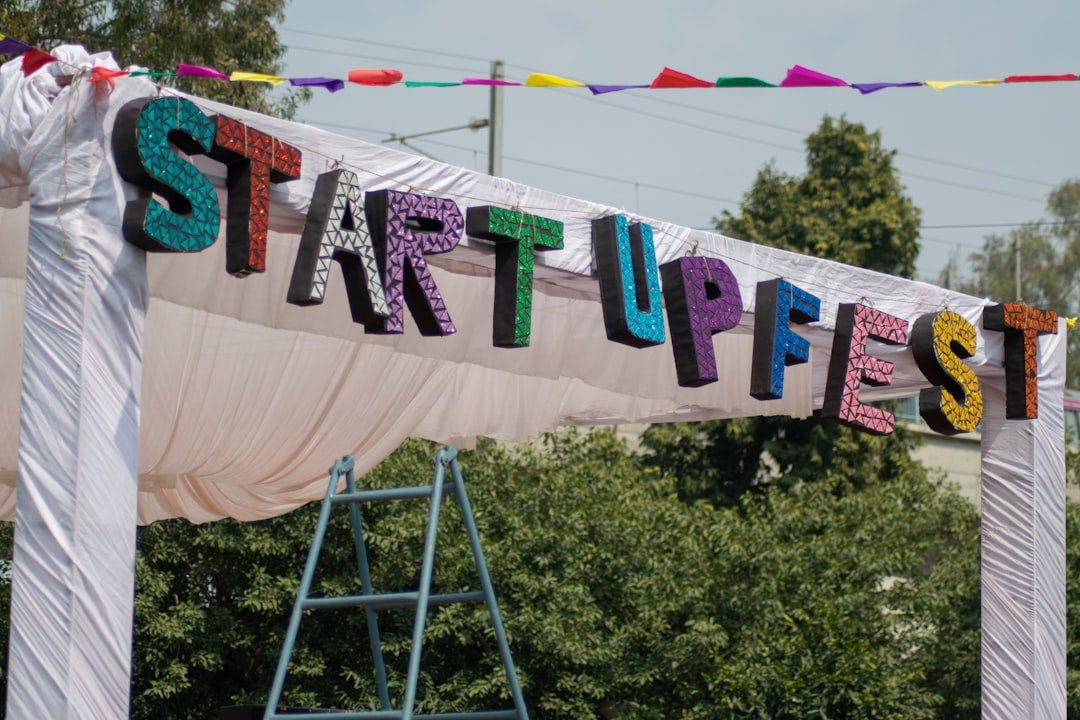
For Indian startups, a product launch isn't merely an announcement; it's a make-or-break moment that dictates market reception, investor confidence, and ultimately, growth trajectory. In a dynamic and competitive ecosystem like India's, meticulous planning goes beyond the product itself. It’s about crafting an experience that resonates, communicates value, and generates lasting buzz. This checklist empowers marketing managers and business owners to navigate the complexities, ensuring your innovation takes centre stage with maximum impact.
Strategic Pre-Launch Planning: Your Blueprint for Success
The foundation of a successful product launch is laid long before the event day. Every strategic decision made at this stage significantly influences your overall outcome.
- Define Clear Objectives: What do you aim to achieve? Is it brand awareness, lead generation, immediate sales, or media coverage? Set SMART (Specific, Measurable, Achievable, Relevant, Time-bound) goals.
- Identify Your Target Audience: Who are you trying to reach? Understanding their demographics, psychographics, and preferred communication channels is crucial for tailoring your message and event experience.
- Realistic Budget Allocation: Indian startups often operate with lean budgets. Allocate funds strategically across venue, technology, marketing, hospitality, and contingency. Prioritize high-impact elements.
- Comprehensive Timeline Creation: Develop a detailed project plan with key milestones, responsibilities, and deadlines. Include buffer periods for unexpected delays, common in large-scale event planning.
- Venue Selection & Logistics: Choose a venue that aligns with your brand image and target audience. Consider accessibility, connectivity, parking, and local vendor availability in the Indian context. Ensure robust tech infrastructure.
- Integrated Marketing & PR Strategy: Develop a multi-channel plan for pre-buzz, during-event promotion, and post-event follow-up. Engage with local media, influencers, and industry specific publications early.
- Secure Key Partnerships: Collaborate with relevant industry partners or influencers who can amplify your message and lend credibility.
Flawless Launch Day Execution: From Vision to Reality
With a solid plan in place, launch day becomes about precision and seamless delivery. This is where your preparation truly shines.
- Technical Readiness: Conduct thorough checks of all Audio/Visual equipment, internet connectivity, stage lighting, and microphones. Crucially, have backup systems for power and internet, especially for live streaming.
- Guest Management: Ensure a smooth registration process, clear directional signage, comfortable seating, and efficient hospitality services. Pre-assign roles for greeters and ushers.
- Engaging Content Delivery: Structure your presentations for maximum impact. Include live product demonstrations, compelling narratives, and a concise Q&A session. Rehearse extensively.
- Media Engagement Zone: Create a dedicated area for media personnel, providing them with press kits, Wi-Fi access, and clear instructions for interviews. Schedule one-on-one interactions with key spokespeople.
- Trained Staff & Clear Roles: Brief your entire team on their specific responsibilities, emergency protocols, and how to handle common queries. A well-coordinated team is invaluable.
- Contingency Planning: Despite best efforts, unforeseen issues can arise. Have a plan B for technical glitches, guest management issues, or sudden changes in schedule.
Post-Launch Momentum: Capitalizing on Your Investment
The launch event is just the beginning. The real work of building momentum and realizing ROI starts immediately after.
- Immediate Follow-Up: Send personalized thank-you notes to attendees, media, and partners. Provide links to event highlights, product information, and next steps.
- Performance Analysis: Track KPIs against your initial objectives. Analyze attendee feedback, social media engagement, media coverage, and lead generation data. Understand what worked and what didn't.
- Content Repurposing: Leverage recorded videos, photos, testimonials, and presentation slides. Create blog posts, social media snippets, case studies, and email campaigns to extend the event's lifecycle.
- Nurturing Leads: Integrate event leads into your CRM system and initiate targeted nurturing campaigns. Qualify leads effectively and hand them over to your sales team.
- Internal Debrief: Conduct a post-event review with your team to discuss successes, challenges, and lessons learned for future events.
A product launch for an Indian startup is a strategic journey, not just a single event. By meticulously following this checklist, you transform a complex undertaking into a structured, impactful event. Leveraging AI-powered platforms like Envicta can further streamline planning, execution, and analysis, turning your product launch into a powerful catalyst for growth and market leadership.