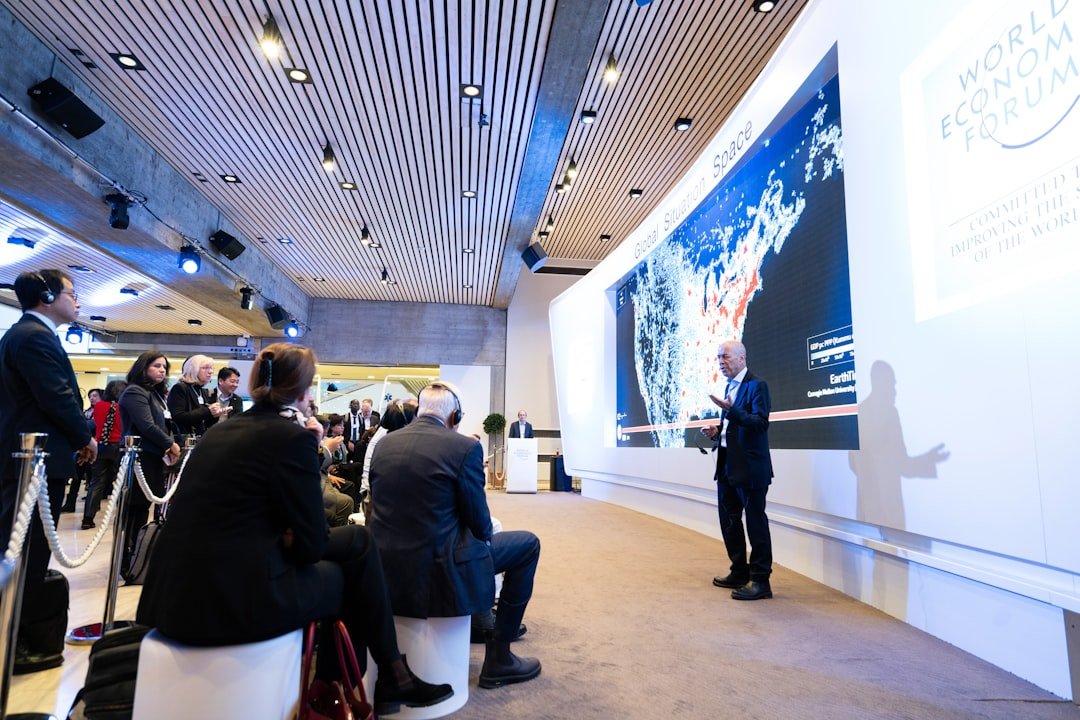
The landscape of business events in India is rapidly evolving. As we look towards 2026, the hybrid model isn't just an option; it's a strategic imperative for businesses aiming to expand reach, deepen engagement, and secure measurable ROI. With India’s diverse demographics and fast-paced digital transformation, mastering hybrid event planning is crucial for staying competitive and connecting effectively with both local and global audiences. This guide provides a practical blueprint for navigating the future of events in India.
Understanding India's Dynamic Hybrid Audience in 2026
By 2026, the Indian market will be characterized by even greater digital fluency across Tier-1, Tier-2, and increasingly Tier-3 cities, alongside a continued appreciation for high-touch, in-person experiences. A successful hybrid event strategy must therefore cater to this dual expectation. Your in-person attendees will likely seek exclusive networking, premium content, and immersive brand interactions. Simultaneously, your virtual audience will demand seamless access, interactive digital tools, and personalized content streams that fit their schedule and location. The challenge—and opportunity—lies in bridging these experiences without diluting either. Consider regional nuances; what engages an audience in Bengaluru might differ from Mumbai or Delhi. Leverage pre-event surveys and data analytics to segment your audience effectively and tailor content delivery, ensuring relevance across all touchpoints.
Leveraging AI & Integrated Tech for Seamless Execution
The backbone of any successful hybrid event in 2026 will be a robust, AI-powered event technology platform. This isn't merely about streaming video; it's about intelligent integration that drives efficiency and insights.
- Personalized Journeys: AI can analyze attendee data to recommend relevant sessions, networking matches, and sponsors, enhancing individual experiences for both physical and virtual participants.
- Automated Management: From smart registration and check-in to real-time analytics on engagement and lead capture, AI streamlines operations, freeing up your team to focus on strategic execution rather than manual tasks.
- Data-Driven Decisions: Comprehensive dashboards will provide real-time insights into attendee behavior, content performance, and ROI. This data is invaluable for optimizing your event in real-time and informing future strategies.
- Interactive Engagement: Beyond polls and Q&A, think AI-driven chatbots for instant support, virtual reality (VR) elements for product showcases, and augmented reality (AR) overlays for in-person experiences, creating memorable interactions.
Choosing a platform that offers end-to-end solutions, from pre-event marketing to post-event analytics, is paramount. This integration ensures a unified experience and provides actionable data that justifies your investment.
Strategic Content & Marketing for Maximum Impact
Effective hybrid event planning extends beyond technology to include a thoughtful approach to content and marketing.
- Dual-Format Content: Design content that can be consumed effectively in both formats. This might mean shorter, more dynamic virtual sessions complementing longer, deeper dive in-person workshops. Ensure high-quality production for live streams and on-demand content.
- Segmented Marketing Campaigns: Your marketing strategy must speak directly to the value propositions for both in-person and virtual attendees. Highlight exclusive networking opportunities for physical attendees and emphasize flexibility and accessibility for virtual participants.
- Pre, During, and Post-Event Engagement: Engage virtual attendees with virtual lounges and discussion forums. For in-person attendees, create buzz with interactive zones. Post-event, leverage AI to recommend relevant on-demand content and follow-up resources to both groups, extending the event's lifecycle and value.
Mastering hybrid event planning in India by 2026 requires foresight, technological adoption, and a deep understanding of your diverse audience. By strategically integrating AI-powered solutions, crafting compelling multi-format content, and executing targeted marketing, businesses can unlock unparalleled opportunities for growth, brand building, and sustainable engagement in the dynamic Indian market. The future of events is hybrid, and the time to build your robust strategy is now.